


Why Epoxy Flooring Is a Smart Choice for Retail Spaces

By Sarita Patel, SurfacePro Epoxy Flooring Editor Team
Published September 2026
Retail floors take a beating. Shoes, carts, spills, salt in winter, moving displays, and daily cleaning all add up. A good retail floor has to look sharp and work hard at the same time.
Epoxy flooring does both. It creates a smooth, tough surface over concrete, and it can be finished in colours, flakes, patterns, or a polished look. For many stores, Retail Space Epoxy Flooring offers a practical mix of durability, design flexibility, and long-term value.
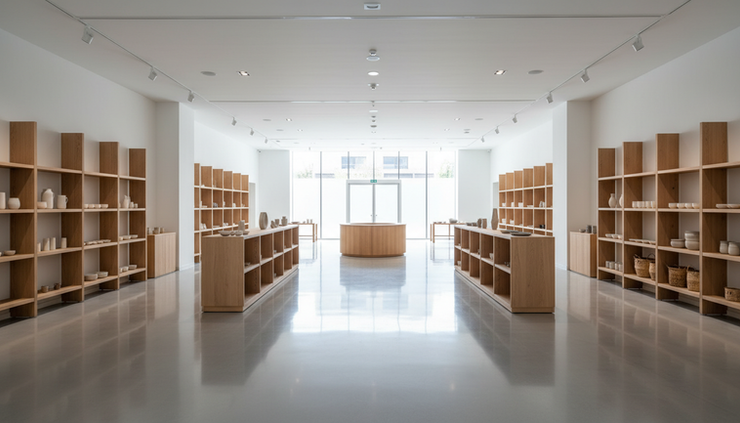
Epoxy flooring handles heavy retail use
Retail flooring is not just a design choice. It affects how the store feels, how easy it is to clean, and how often repairs interrupt sales.
Epoxy is popular because it bonds to concrete and forms a hard surface that resists daily wear. That matters in spaces with steady foot traffic, rolling carts, delivery dollies, and product displays that move often.
A properly installed epoxy floor can help resist:
Scuffs from shoes and carts
Stains from spills
Wear in checkout lines and entry areas
Small impacts from dropped products
Moisture from wet shoes, umbrellas, and winter slush
This makes it useful for many retail settings, including grocery stores, showrooms, clothing shops, pet supply stores, pharmacies, and home goods spaces.
The key phrase is properly installed. Epoxy performs best when the concrete is prepared well before the coating goes down. The surface needs to be clean, dry, and repaired. If that step gets rushed, the finish can peel or bubble later.
For stores in Ontario and other parts of Canada, winter conditions also matter. Snow, slush, and de-icing salt get tracked in for months. Epoxy can stand up well to that kind of exposure, but entry mats and regular cleaning still help protect the finish.
It gives the store a clean, intentional look
Flooring sets the tone fast. Customers notice it, even when they don’t think about it. A worn, stained, or patched floor can make good products look less appealing.
Epoxy gives retail spaces a clean, finished look. It can be bright and glossy, soft and matte, or designed with decorative flakes for texture and visual interest. It can also be made to look like polished stone without the same level of upkeep.
Common design options include:
Solid colours for a clean, simple look
Neutral greys for showrooms and modern stores
Decorative flakes that hide dust and small marks
Metallic-style finishes for boutiques and display areas
Coloured zones to guide customer flow
Custom borders around checkout or feature sections
A glossy finish can reflect light and make the store feel brighter. That can help in smaller units or retail spaces with limited natural light. A matte or satin finish works better when glare is a concern.
Design choice should match how the space is used. A fashion boutique may want a polished, gallery-like floor. A pet supply store may prefer a flake finish that hides paw marks and light debris. A food market may need a surface that cleans quickly and doesn’t show every water spot.
The floor should support the products, not compete with them.

Maintenance is simple when the floor is matched to the space
Epoxy flooring is easy to maintain because it has a smooth, sealed surface. Dust, spills, and tracked-in dirt stay on top instead of soaking in.
Daily care is usually simple:
Sweep or dust mop loose dirt
Clean spills quickly
Use a damp mop or floor scrubber as needed
Avoid harsh cleaners that can dull the finish
Use walk-off mats at entrances
For stores with food, pets, or high traffic, cleaning routines matter more. The floor may be tough, but grit can still act like sandpaper over time. Regular sweeping helps protect the surface.
Slip resistance also deserves attention. Smooth epoxy can become slippery when wet. That doesn’t mean epoxy is a bad choice. It means the finish should match the store.
A flooring installer can add texture to improve grip, especially in:
Entrances
Checkout lanes
Aisles near coolers
Washroom paths
Areas where spills are likely
The Canadian Centre for Occupational Health and Safety lists slips, trips, and falls as common workplace hazards. It also points to good housekeeping and clean walking surfaces as part of prevention. That fits retail. A floor should look good, but it also needs to support staff and customer safety.
What to consider before choosing epoxy flooring
Epoxy is a strong option, but it’s not one-size-fits-all. The best result comes from matching the floor to the store’s traffic, design goals, budget, and downtime limits.
Factor | What to think about |
Foot traffic | Busy entrances and checkout areas need a tougher finish and more grip. |
Store type | A boutique, grocery store, and equipment showroom all need different finishes. |
Cleaning routine | Stores with frequent spills need a surface that can handle regular washing. |
Design goals | Colour, shine, and texture should fit the products and lighting. |
Installation time | The store may need to close sections while the floor is installed and cured. |
Budget | The lowest upfront price may not be the best value if repairs come sooner. |
Concrete condition | Cracks, moisture, and uneven areas should be dealt with before coating. |
Foot traffic should guide the finish
A store with light browsing traffic has different needs than a busy shop with carts, strollers, and deliveries. Entry zones and checkout lines usually wear faster than back corners.
For high-traffic areas, choose a finish made for abrasion resistance and easier cleaning. For wet areas, choose a textured finish. For showrooms, a smoother decorative finish may work well if spills are rare.
Design options should serve the space
A floor can guide how people move through a store. For example, a subtle colour change can mark a pickup counter, fitting area, or product feature zone. A lighter floor can brighten a small unit. A darker floor can ground a large showroom.
The goal is not to make the floor the main attraction. It should make the space feel clean, calm, and easy to shop.
Cost-effectiveness depends on the long view
Epoxy flooring can cost more upfront than basic sheet flooring or paint. But it can save money over time when it reduces repairs, stains, and replacement cycles.
The full cost should include:
Surface preparation
Crack repairs
Moisture testing if needed
The chosen finish
Store downtime
Cleaning and upkeep
Future repair needs
A Retail Space Epoxy Flooring coating is usually priced by project, not just by square foot. A simple open space costs less to install than a store with tight corners, fixtures, damaged concrete, or several colour zones.
The better question is not “What’s the cheapest floor?” It’s “Which floor gives the best service life for this store?”
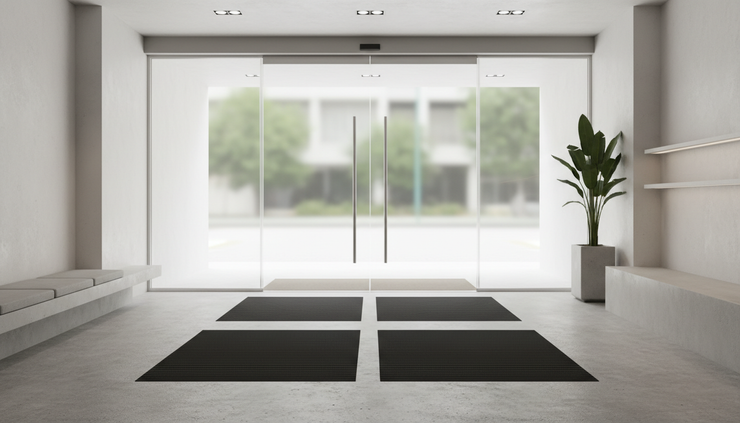
Where epoxy works well in retail
Epoxy flooring is not limited to one type of store. It has been used successfully in many retail environments because it can be shaped around different needs.
Grocery and market spaces
Small grocery stores and local markets often deal with water, dropped produce, cart traffic, and daily cleaning. Epoxy works well here because spills can be wiped up quickly. A textured finish near coolers and entrances helps reduce slip risk.
A neighbourhood food market can also use different floor colours to separate produce, checkout, and prepared food areas. That keeps the space organized without adding signs everywhere.
Clothing and lifestyle boutiques
Boutiques often want a clean floor that lets displays stand out. A light grey or warm neutral epoxy finish can create a gallery feel. It also hides minor marks better than a pure white surface.
One example is a small apparel shop that replaces worn tile with a satin epoxy floor. The result is a brighter room, easier cleaning after rainy days, and fewer visible grout lines. The products become the focus.
Electronics and appliance showrooms
Showrooms need floors that can handle heavy items being moved around. Epoxy helps because it resists scuffs and can carry the clean look customers expect when they’re comparing higher-value products.
A darker flake finish can be useful in these spaces. It hides dust and light debris between cleanings while still looking polished.
Pet supply stores
Pet retail spaces need easy cleaning. Water bowls spill. Bags of food break. Pets track in dirt. Epoxy’s sealed surface makes cleanup simpler and helps reduce odours from spills that might otherwise soak into porous flooring.
A slip-resistant finish is smart here, especially near grooming areas, entrances, or self-wash stations.
Pop-up shops and small mall units
Short-term retail setups often need a floor that looks professional fast. If the base concrete is suitable, epoxy can create a strong visual upgrade without adding bulky flooring materials. It also works well when a clean, minimal look helps products stand out.
The downsides to plan for
Epoxy is a strong choice, but it has limits.
Installation requires prep time. The concrete may need grinding, patching, and cleaning. The floor also needs time to cure before it can handle customers and fixtures. That can mean closing for a short period or phasing the work.
Moisture below the concrete can cause problems. If moisture pushes up through the slab, the coating may fail. A good installer checks for this before quoting the job.
Scratches can still happen. Epoxy is tough, not magic. Dragging metal racks or sharp display bases can mark the surface. Felt pads, wheels, and careful fixture moves help protect the finish.
Repairs can show if the floor has a decorative pattern. This is more common with custom colours or metallic-style finishes. Keeping records of the original floor system and colour helps if repairs are needed later.
How to choose the right epoxy floor for a retail space
Start with the real use of the store. Not the ideal use. The real one.
Ask these questions before choosing a finish:
How many customers come through on a busy day?
Do carts, strollers, or dollies move through the space?
Are spills common?
Does winter salt get tracked in?
Are there areas where wet floors are likely?
Does the floor need to match a calm, bold, or industrial look?
How long can the store be closed?
What level of cleaning can staff handle each day?
A flooring choice should fit operations, not just photos. A glossy black floor may look great on day one, but it may show dust and footprints in a busy shop. A flake floor may be less dramatic, but it can stay looking cleaner between mops.
The best retail floors balance three things: durability, safety, and appearance.
FAQ
How long does epoxy flooring last in a retail space?
With good installation and regular care, epoxy can las t for many years. The exact lifespan depends on traffic, cleaning, moisture, and how often heavy fixtures are moved.
Is epoxy flooring slippery?
It can be slippery when wet if the surface is very smooth. For retail spaces, textured finishes can add grip in entrances, checkout areas, and spill-prone zones.
Can epoxy flooring be installed over old flooring?
Sometimes, but it depends on what’s already there. Epoxy usually performs best over properly prepared concrete. Old coatings, loose tile, or damaged surfaces may need removal first.
Does epoxy flooring smell during installation?
There can be odour during installation. Ventilation and product choice matter. Work is often scheduled after hours or during a planned closure to reduce disruption.
Is epoxy flooring worth the cost for a small store?
Yes, when the store needs a durable, easy-to-clean floor with a polished look. For very short leases, a lower-cost temporary floor may make more sense.
The smart choice is the floor that fits the work
Epoxy flooring makes sense for retail because it solves real problems. It handles traffic, cleans easily, and gives the space a sharp finish. It can also be tailored to the store, from a calm boutique to a busy market.
The right choice comes down to use. Match the finish to foot traffic, cleaning needs, design goals, and budget. Plan the installation around downtime. Pay attention to grip near wet areas.
Do that, and epoxy becomes more than a good-looking surface. It becomes part of a store that runs better every day. See This Process in Action on Your Own Floor. Book Your Free Estimate Today.
Now you know exactly what a professional epoxy floor installation process looks like from the first moisture reading to the final polyaspartic coat. Every step has a reason. Every reason is backed by nearly a decade of installing floors in Toronto and the GTA and watching what the Ontario climate does to floors installed with this process versus floors installed without it.
SurfacePro Epoxy Flooring applies this complete six-step process to every project we complete across Toronto, North York, Scarborough, Markham, Vaughan, Richmond Hill, Mississauga, Brampton, Ajax, Pickering, and the entire GTA. Every project starts with a free on-site estimate. Every residential garage installation is backed by our 10 year written warranty. Every quote is detailed, honest, and firm.
Call or text us today. We will come to your home, assess your concrete, walk you through your design options with physical samples, and show you exactly what this process delivers for your specific floor.
Call or Text: (437) 477-7366 WhatsApp: (437) 477-7366 Email: hello@thecdg.ca Website: www.surfaceproepoxy.ca
Areas We Serve: Markham, Toronto, Vaughan, Richmond Hill, Ajax, Pickering, Scarborough, Mississauga, Brampton, and the Entire GTA, Ontario
About SurfacePro Epoxy Flooring
Since 2017, SurfacePro Epoxy Flooring has been a trusted name in professional epoxy floors across the Greater Toronto Area. As part of Cedarwood Development Group Inc., we bring nearly a decade of experience and a team of certified flooring specialists to every project, from residential garages and basements to commercial facilities and industrial spaces.
You get expert craftsmanship, lasting results, and service you can count on. We also back our work with a warranty, so you can invest in your floor with total confidence.
Ready for a floor built to last? Request your quote today.
Our Services Include:
Garage Floor Coatings
Metallic Epoxy Flooring
Commercial and Industrial Coatings
Decorative Epoxy Finishes
And much more
SurfacePro Epoxy Flooring — Built on Quality. Trusted Since 2017.
Last Updated: September 2026 | Published by SurfacePro Epoxy Flooring
Written by: Sarita Patel, Editor Team | Sarita.p@thecdg.ca
Recommended Resources
Learn more about epoxy flooring options and our services:


Comments